Quick Contact +91-11-25842122


 ICAR - Central Institute of Agricultural Engineering (CIAE)
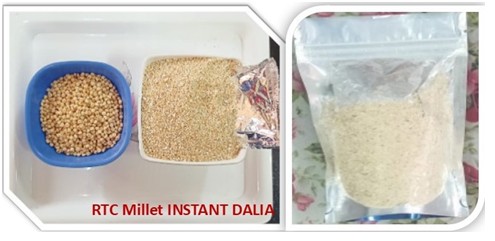
Process technology for preparation of RTC Millet Instant Dalia
Background
Instant dalia products, while convenient, face several challenges in the market. Nutritional quality is often compromised due to extensive processing, resulting in the loss of essential nutrients and the addition of preservatives and artificial flavors. The flavor and texture can vary significantly between brands, leading to inconsistent consumer satisfaction. Many products are also high in sodium and sugar, raising health concerns related to hypertension and obesity. Packaging often involves single-use plastics, contributing to environmental waste, and customization options are limited, which may not appeal to consumers seeking personalized flavors. Cultural preferences for traditional cooking methods can hinder acceptance of instant versions, and price sensitivity makes them less accessible to budget-conscious consumers. Additionally, potential allergens may pose risks to sensitive individuals, and lack of transparency regarding ingredient sourcing can erode consumer trust. Addressing these issues is essential for improving the marketability and acceptance of millet instant dalia products.
Technology Details
The development and use of fermented millet represent an innovative approach to enhancing the nutritional and functional qualities of this ancient grain. Fermentation increases the bioavailability of essential nutrients by breaking down anti-nutrients like phytic acid, making vitamins and minerals more accessible for absorption. This process also introduces beneficial probiotics that promote gut health, improve digestion, and boost the immune system. Fermented millet products can diversify the food market, offering nutritious options such as porridge, snacks, and beverages, thus catering to the growing demand for health-oriented foods. Moreover, fermented millet addresses nutritional deficiencies, particularly in vulnerable populations where millets are staple foods. It presents a sustainable solution, as millets are drought-resistant and require fewer resources, making them an eco-friendly choice in the face of climate change. The innovation also opens economic opportunities for smallholder farmers by allowing them to engage in value-added processing, ultimately increasing their income.
Additionally, the fermentation process enhances the flavor profile of millets, making them more appealing to consumers. By promoting whole grain consumption, fermented millet can contribute to healthier diets and lower the risks of chronic diseases. Overall, this innovation supports local economies, improves nutrition, and aligns with cultural practices.