Quick Contact +91-11-25842122


 ICAR - Central Institute of Agricultural Engineering (CIAE)
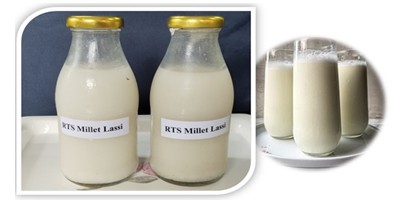
Process technology for preparation of RTS Millet Lassi
Background
The dairy lassi market faces several challenges, including health and safety concerns over contamination and preservatives, which deter health-conscious consumers. Changing preferences towards healthier, low-calorie, and probiotic-rich options may limit traditional lassi’s appeal, especially given its lactose content, making it unsuitable for lactose-intolerant individuals. Additionally, its relatively high glycemic index could discourage health-focused consumers. Market saturation complicates differentiation, while supply chain issues and regulatory hurdles burden smaller producers. Limited innovation in flavors and formulations further restricts market growth. Moreover, price sensitivity drives consumers toward cheaper alternatives, hindering profitability. Addressing these nutritional concerns and enhancing awareness of lassi’s benefits is essential for revitalizing its market presence and attracting a broader audience.
Technology Details
A millet-based lassi presents an innovative solution to current challenges in the dairy lassi market. By incorporating nutrient-dense millets, this product enhances nutritional value, offering higher dietary fiber, protein, and essential minerals. With a low glycemic index, millet-based lassi is suitable for individuals managing blood sugar levels, appealing to health-conscious consumers. It is naturally lactose-free, catering to those with lactose intolerance and expanding the potential consumer base. Fermentation improves digestibility and introduces beneficial probiotics, supporting gut health. Additionally, millets require fewer resources for cultivation, promoting sustainability. This product addresses nutritional deficiencies while aligning with modern dietary trends, positioning itself as a compelling alternative in the beverage market.